The landscape of healthcare in the United States is marked by significant disparities, particularly affecting Black individuals. These inequities are not merely statistical anomalies; they represent a profound and systemic issue that has persisted for generations. The experiences of African Americans within the healthcare system often reveal a troubling pattern of unequal treatment, limited access to quality care, and a pervasive lack of trust in medical institutions. Understanding these disparities is crucial for addressing the broader implications they have on public health and social justice.Healthcare inequities manifest in various forms, from socioeconomic barriers to implicit biases held by healthcare providers.
For many African Americans, the journey through the healthcare system can be fraught with challenges that hinder their ability to receive timely and effective treatment. Factors such as geographic location, economic status, and historical mistrust of medical institutions contribute to a cycle of disadvantage that disproportionately affects Black communities. This cycle not only impacts individual health outcomes but also perpetuates broader societal inequalities.Moreover, the COVID-19 pandemic has further illuminated these disparities, revealing stark differences in infection rates, mortality, and access to vaccines among different racial groups. The crisis has underscored the urgent need for systemic change within the healthcare system to ensure equitable treatment for all individuals, regardless of their race or background.
As we delve deeper into the complexities surrounding African American health, it becomes evident that addressing these inequities is not just a matter of policy reform but a moral imperative that requires collective action from all sectors of society.
Historical Context of African American Health Disparities
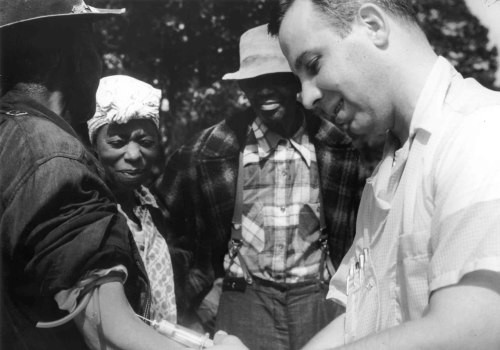
The historical context of African American health disparities is deeply rooted in systemic racism and socio-economic factors that have evolved over centuries. Understanding this history is crucial to addressing the ongoing inequities faced by African Americans in the healthcare system.During the era of slavery, African Americans were subjected to inhumane conditions that severely impacted their health. Enslaved individuals were often denied basic medical care, and their health was not prioritized. This neglect laid the groundwork for a long-standing pattern of inadequate healthcare access that would persist long after emancipation.Following the Civil War, the establishment of Jim Crow laws further entrenched racial segregation in all aspects of life, including healthcare.African Americans were often relegated to inferior facilities and received substandard care compared to their white counterparts. This systemic discrimination not only affected immediate health outcomes but also contributed to a pervasive mistrust of the healthcare system among African American communities.In the 20th century, significant events such as the Tuskegee Syphilis Study exemplified the ethical violations and exploitation faced by African Americans in medical research. Conducted from 1932 to 1972, this study involved withholding treatment from African American men with syphilis to observe the disease's progression. Such betrayals have had lasting effects on the relationship between African Americans and healthcare providers.Socio-economic factors also play a critical role in shaping health outcomes.
Historically, African Americans have faced barriers to education and employment opportunities, leading to higher rates of poverty. This economic disadvantage correlates with limited access to quality healthcare services, nutritious food, and safe living environments, all of which are essential for maintaining good health.Today, while progress has been made in some areas, the legacy of these historical injustices continues to influence African American health. Disparities in chronic diseases such as diabetes, hypertension, and heart disease remain prevalent. Addressing these issues requires a comprehensive understanding of the historical context and a commitment to dismantling systemic barriers that perpetuate inequities in healthcare.
Current State of Healthcare Access for African Americans
The current landscape of healthcare access for African Americans is marked by significant challenges that hinder their ability to receive quality medical care.Despite advancements in healthcare policy and awareness, many African Americans continue to face systemic barriers that affect their health outcomes.
Insurance Coverage
One of the primary barriers to healthcare access is the lack of adequate insurance coverage. According to recent studies, African Americans are more likely to be uninsured compared to their white counterparts. This disparity can be attributed to various factors, including employment in low-wage jobs that do not offer health benefits and the high cost of private insurance plans. As a result, many African Americans may delay seeking medical attention due to financial constraints, leading to worse health outcomes.
Geographic Location
Geographic location also plays a crucial role in healthcare access.
Many African Americans reside in urban areas where healthcare facilities may be available; however, these facilities often lack the resources necessary to provide comprehensive care. Additionally, rural areas, which have a higher percentage of African American residents in some regions, frequently experience a shortage of healthcare providers and services. This geographic disparity can lead to longer travel times for medical appointments and increased difficulty in accessing specialized care.
Socioeconomic Status
Socioeconomic status is another significant factor influencing healthcare access. African Americans are disproportionately affected by poverty, which can limit their ability to afford transportation to medical appointments or pay for necessary medications.
Furthermore, lower socioeconomic status is often associated with higher rates of chronic diseases such as diabetes and hypertension, creating a cycle where poor health exacerbates financial instability and vice versa.
Conclusion
In summary, the barriers faced by African Americans in accessing quality healthcare are multifaceted and deeply rooted in systemic inequities. Addressing these challenges requires a concerted effort from policymakers, healthcare providers, and communities to ensure that all individuals have equitable access to the care they need.
Impact of Environmental Factors on African American Health
The health of African Americans is significantly influenced by environmental factors , which often exacerbate existing health disparities. These factors include pollution, inadequate housing, and limited access to clean water and nutritious food. Understanding how these elements interact with social determinants of health is crucial for addressing the inequities faced by this community.One of the most pressing issues is air pollution.African American communities are frequently located near industrial sites, highways, and other sources of pollution. This exposure increases the risk of respiratory diseases, cardiovascular problems, and other serious health conditions. Studies have shown that neighborhoods with higher concentrations of African Americans often experience poorer air quality, leading to higher rates of asthma and other lung-related illnesses.In addition to air quality, housing conditions play a vital role in the overall health of African Americans. Many live in areas with substandard housing that lacks proper ventilation, insulation, and access to basic amenities.
These conditions can lead to a range of health issues, including lead poisoning, mold exposure, and increased stress levels. The lack of safe and stable housing can also hinder access to healthcare services, as individuals may be forced to prioritize immediate survival over long-term health needs.
Food deserts
are another critical concern. Many African American neighborhoods lack access to grocery stores that offer fresh produce and healthy food options. Instead, residents often rely on convenience stores that stock processed foods high in sugar and fat.
This limited access contributes to higher rates of obesity, diabetes, and other diet-related diseases within the community.Furthermore, the impact of social determinants of health cannot be overlooked. Factors such as income level, education, and employment status directly affect an individual's ability to secure safe living conditions and access quality healthcare. For instance, lower-income families may not have the financial means to relocate from polluted areas or invest in healthier food options.Addressing these environmental health disparities requires a multifaceted approach that includes policy changes aimed at improving living conditions in African American communities. Initiatives could involve increasing funding for community health programs, enforcing stricter regulations on pollution sources, and ensuring equitable access to healthy food options.In conclusion, the intersection of environmental factors and health outcomes for African Americans highlights the urgent need for systemic change.
By recognizing and addressing these disparities, we can work towards a healthier future for all communities.
Experiences of Black Women in Healthcare
Black women in the United States face a unique set of challenges within the healthcare system, which are often exacerbated by both gender and racial biases. These disparities manifest in various ways, particularly in maternal health, where Black women experience significantly higher rates of complications and mortality compared to their white counterparts.According to recent studies, Black women are three to four times more likely to die from pregnancy-related causes than white women. This alarming statistic highlights the urgent need for systemic changes in how healthcare providers approach maternal care for African American women. Factors contributing to these disparities include:- Lack of Access to Quality Care: Many Black women live in areas with limited access to healthcare facilities that provide comprehensive maternal care.
This can lead to inadequate prenatal visits and a lack of necessary screenings.
- Implicit Bias: Healthcare providers may unconsciously hold biases that affect their treatment of Black patients. Studies have shown that Black women often report feeling dismissed or not taken seriously when voicing their health concerns.
- Socioeconomic Factors: Economic instability can limit access to healthcare resources, including insurance coverage and transportation to medical appointments, further complicating the healthcare journey for Black women.
The stigma surrounding mental health issues within the African American community can deter individuals from seeking help, while systemic racism within the healthcare system can lead to mistrust of mental health professionals.Addressing these inequities requires a multifaceted approach that includes:
- Training for Healthcare Providers: Implementing training programs focused on cultural competency and implicit bias can help improve interactions between healthcare providers and Black patients.
- Community Outreach: Increasing awareness about available healthcare resources and services tailored for Black women can empower them to seek care proactively.
- Policy Changes: Advocating for policies that ensure equitable access to quality healthcare for all women, regardless of race or socioeconomic status, is essential for reducing disparities.
The Role of Healthcare Providers in Addressing Inequities
Healthcare providers are at the forefront of addressing the inequities faced by African Americans in the healthcare system. Their role is pivotal not only in delivering care but also in shaping the experiences of patients from diverse backgrounds. One of the most significant challenges is the presence of biases that can affect clinical decision-making and patient interactions.Healthcare provider biases
can manifest in various ways, from assumptions about a patient's health behaviors to differential treatment based on race.
These biases often stem from systemic issues within medical education and societal stereotypes. To combat this, it is essential for healthcare providers to engage in cultural competency training. This training equips them with the skills to recognize their own biases, understand the cultural contexts of their patients, and provide care that is respectful and responsive to the unique needs of African American individuals.Improving patient care for African Americans requires a multifaceted approach:
- Enhanced Communication: Effective communication is crucial in building trust between patients and providers. Healthcare professionals should strive to create an open dialogue where patients feel comfortable discussing their health concerns without fear of judgment.
- Patient Education: Educating African American patients about their health conditions and treatment options can empower them to take an active role in their healthcare.
This includes providing resources that are culturally relevant and accessible.
- Community Engagement: Providers should actively engage with the communities they serve. Understanding community dynamics and health disparities can help tailor interventions that address specific needs.
- Feedback Mechanisms: Establishing systems for patient feedback can help healthcare providers identify areas for improvement. Listening to patients' experiences can lead to better care practices and policies.
Community Initiatives and Advocacy for Change
In recent years, numerous community health initiatives have emerged, specifically designed to address the unique healthcare challenges faced by African Americans.These initiatives often stem from grassroots movements that empower local communities to take charge of their health outcomes. By focusing on culturally relevant strategies and fostering community engagement, these programs aim to reduce health disparities and improve overall well-being.One notable example is the Black Women's Health Imperative , which focuses on improving the health of Black women through education, advocacy, and community-based programs. This organization has successfully launched various campaigns that address critical issues such as maternal health, reproductive rights, and chronic disease management. By providing resources and support tailored to the specific needs of Black women, they have made significant strides in enhancing health outcomes.Another impactful initiative is the Community Health Worker (CHW) model, which trains local residents to serve as liaisons between healthcare providers and their communities.
CHWs play a vital role in educating individuals about preventive care, navigating the healthcare system, and addressing social determinants of health. This approach not only builds trust within the community but also ensures that health information is disseminated in a culturally competent manner.Grassroots movements have also been pivotal in advocating for policy changes that benefit African American health. Organizations like Black Lives Matter have expanded their focus to include health equity, highlighting the systemic barriers that contribute to poor health outcomes. Their advocacy efforts have led to increased awareness and funding for programs aimed at addressing these disparities.Moreover, local partnerships between healthcare providers and community organizations have proven effective in creating tailored interventions.
For instance, initiatives that offer free health screenings and educational workshops in predominantly African American neighborhoods have shown promise in increasing access to care and promoting healthier lifestyles.In conclusion, community initiatives and advocacy efforts are essential in addressing the inequities faced by African Americans in healthcare. By empowering communities, fostering collaboration, and advocating for systemic change, these programs are making a tangible difference in improving health outcomes and reducing disparities.
Future Directions for Equity in Healthcare
As we look toward the future of healthcare equity, it is essential to recognize that achieving true equity for African Americans in healthcare will require a multifaceted approach. This involves not only policy changes but also a commitment to research initiatives and community engagement that prioritize the unique health needs of Black individuals.Policy Changes for African American Health
- Enhancing Access to Care: One of the most pressing issues is the need for policies that enhance access to quality healthcare services. This includes expanding Medicaid in states that have not yet done so, as well as implementing programs that specifically target underserved communities.
- Addressing Social Determinants of Health: Policymakers must also focus on the social determinants of health, such as housing, education, and employment.
By addressing these factors, we can create an environment where African Americans can thrive both physically and mentally.
- Incentivizing Diversity in Healthcare Workforce: Increasing diversity within the healthcare workforce is crucial. Policies that incentivize medical schools to recruit and retain Black students can help ensure that healthcare providers better reflect the communities they serve.
Research Initiatives
Investing in research that focuses on health disparities among African Americans is vital. This includes:
- Funding Studies on Health Outcomes: More funding should be allocated to studies that examine the specific health outcomes of African Americans, particularly in areas like maternal health, chronic diseases, and mental health.
- Community-Based Participatory Research: Engaging communities in the research process can lead to more relevant findings and solutions. Community-based participatory research (CBPR) allows for the voices of African Americans to be heard and considered in health-related studies.
Community Engagement
Finally, community engagement plays a pivotal role in improving healthcare systems.
Initiatives should include:
- Health Education Programs: Implementing health education programs tailored to African American communities can empower individuals with knowledge about their health and available resources.
- Building Trust with Healthcare Providers: Establishing trust between healthcare providers and Black communities is essential. This can be achieved through outreach programs that foster relationships and open lines of communication.
Conclusion: The Path Forward for African American Health Equity
As we reflect on the pervasive inequities faced by African Americans in the healthcare system, it becomes clear that the journey toward health equity is far from over. The disparities in access to quality care, the prevalence of negative healthcare experiences, and the systemic barriers that continue to affect African American communities highlight a critical need for comprehensive reform.Throughout this discussion, we have identified several key factors contributing to these inequities:- Access to Quality Healthcare: Many African Americans report significant challenges in accessing healthcare services that meet their needs.
This includes not only physical access but also the availability of culturally competent care.
- Negative Healthcare Experiences: A substantial number of African Americans have encountered disrespectful treatment and inadequate attention to their health concerns, particularly among women. These experiences can deter individuals from seeking necessary medical attention.
- Environmental and Socioeconomic Factors: The impact of socioeconomic status and environmental conditions cannot be overlooked. Many African American communities face higher rates of poverty and live in areas with limited healthcare resources.
- Policy Reform: Advocating for policies that ensure equitable access to healthcare for all individuals, regardless of race or ethnicity.
- Cultural Competency Training: Implementing training programs for healthcare providers to enhance their understanding of the unique challenges faced by African American patients.
- Community Engagement: Encouraging community involvement in health initiatives to ensure that the voices of African Americans are heard and considered in decision-making processes.
By working together, we can dismantle the barriers that perpetuate health inequities and create a more just healthcare system. It is imperative that we remain vigilant and committed to advocating for equity in healthcare, ensuring that every individual has the opportunity to achieve optimal health outcomes.