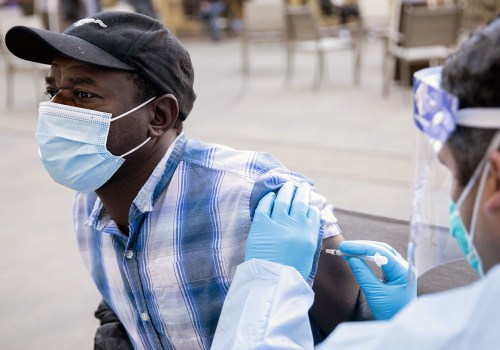
Genetic diseases represent a significant public health challenge, particularly within African American communities. These conditions, which arise from abnormalities in an individual's DNA, can lead to a range of health issues that disproportionately affect this population. Understanding the prevalence and impact of these genetic disorders is crucial for addressing the broader context of African American health and the associated health disparities that exist in society, a mission that aligns with the efforts of organizations like the tri-cities civil rights council (tccrc).In recent years, research has highlighted the unique genetic predispositions that may contribute to the higher incidence of certain diseases among African Americans. For instance, conditions such as sickle cell anemia and hypertension are not only more common but also often present with more severe complications in this demographic. Genetic diseases represent a significant public health challenge, particularly within African American communities. These conditions, which arise from abnormalities in an individual's DNA, can lead to a range of health issues that disproportionately affect this population. Understanding the prevalence and impact of these genetic disorders is crucial for addressing the broader context of African American health and the associated health disparities that exist in society, a mission that aligns with the efforts of organizations like the tri-cities civil rights council (tccrc).In recent years, research has highlighted the unique genetic predispositions that may contribute to the higher incidence of certain diseases among African Americans. For instance, conditions such as sickle cell anemia and hypertension are not only more common but also often present with more severe complications in this demographic.
These disparities are compounded by socioeconomic factors, including access to healthcare, education, and resources for disease management. As a result, many individuals within these communities face significant barriers to receiving timely and effective treatment.The implications of genetic diseases extend beyond individual health; they ripple through families and entire communities. The emotional and financial burdens associated with managing chronic conditions can strain relationships and limit opportunities for affected individuals. Furthermore, the stigma surrounding certain genetic disorders can lead to social isolation and mental health challenges, further exacerbating the overall impact on community well-being.As we delve deeper into the topic of genetic diseases in African American communities, it is essential to recognize the importance of education, awareness, and proactive health measures.
By fostering a better understanding of these issues, we can work towards reducing health disparities and improving outcomes for future generations.
Prevalence of Genetic Diseases Among African Americans
The prevalence of genetic diseases within African American communities is a significant public health concern, highlighting the need for increased awareness and targeted healthcare strategies. Various studies and health statistics reveal that certain genetic disorders disproportionately affect this population, leading to serious health implications.One of the most notable genetic conditions is sickle cell anemia , a hereditary blood disorder that affects hemoglobin in red blood cells. According to the Centers for Disease Control and Prevention (CDC), approximately 1 in 365 African American babies is born with sickle cell disease. This condition can lead to severe pain episodes, increased risk of infections, and other serious complications, necessitating comprehensive management and care.Another prevalent condition is hypertension , or high blood pressure, which affects nearly 40% of African American adults.This statistic is alarming, as hypertension is a major risk factor for heart disease and stroke. The reasons behind this high prevalence include a combination of genetic predisposition, lifestyle factors, and socio-economic challenges that limit access to healthy food and healthcare resources.
Type 2 diabetes
also poses a significant threat to African American health. Research indicates that African Americans are almost twice as likely to develop this condition compared to their white counterparts. The American Diabetes Association reports that about 13.4% of African Americans aged 20 years or older have diabetes.
This chronic disease can lead to severe complications such as kidney failure, vision loss, and cardiovascular issues if not managed properly.In addition to these conditions, other genetic disorders such as cystic fibrosis , though less common in African Americans than in Caucasians, still warrant attention due to their impact on respiratory health. Furthermore, conditions like breast cancerbreast cancer also show varying prevalence rates among African American women, with studies indicating that they are more likely to be diagnosed at a younger age and with more aggressive forms of the disease.The disparities in the prevalence of these genetic diseases underscore the importance of tailored healthcare strategies that address the unique needs of African American communities. Public health initiatives must focus on education, prevention, and access to healthcare services to mitigate these risks effectively.
Key Genetic Diseases Affecting African American Communities
Genetic diseases significantly impact the health of African American communities, with several conditions showing a higher prevalence in this population. Understanding these diseases is crucial for effective prevention, management, and support.Sickle Cell Anemia
Sickle cell anemia is a hereditary blood disorder that primarily affects individuals of African descent.This condition is caused by a mutation in the hemoglobin gene, leading to the production of abnormal hemoglobin known as hemoglobin S. When red blood cells contain this abnormal hemoglobin, they can become rigid and shaped like a sickle, which can block blood flow and cause severe pain.
- Symptoms: Common symptoms include episodes of pain (known as sickle cell crises), anemia, swelling in the hands and feet, frequent infections, and delayed growth in children.
- Impact: The disease can lead to serious complications such as stroke, acute chest syndrome, and organ damage. Families often face emotional and financial burdens due to ongoing medical care.
Hypertension
Hypertension, or high blood pressure, is another prevalent condition among African Americans. It is often referred to as a "silent killer" because it typically has no symptoms but can lead to severe health issues if left untreated.- Causes: Factors contributing to hypertension include genetics, obesity, high salt intake, and lack of physical activity.
Socioeconomic factors also play a role in access to healthcare and healthy lifestyle choices.
- Symptoms: While many individuals may not experience symptoms, some may have headaches, shortness of breath, or nosebleeds during hypertensive crises.
- Impact: Hypertension increases the risk of heart disease, stroke, and kidney failure. The burden on families can be significant due to the need for ongoing treatment and lifestyle adjustments.
Type 2 Diabetes
Type 2 diabetes is a chronic condition that affects how the body metabolizes sugar (glucose). African Americans are at a higher risk for developing this disease due to genetic predispositions combined with lifestyle factors.- Causes: Risk factors include obesity, sedentary lifestyle, and family history. Cultural dietary habits may also contribute to higher rates of obesity and diabetes.
- Symptoms: Symptoms often develop gradually and can include increased thirst, frequent urination, extreme fatigue, and blurred vision.
- Impact: The disease can lead to serious complications such as heart disease, nerve damage, kidney failure, and vision loss.
Managing diabetes requires ongoing medical care and lifestyle changes that can strain families both emotionally and financially.
Breast Cancer
Breast cancer is the most common cancer among African American women. While genetics play a role in breast cancer risk, environmental factors and lifestyle choices also contribute significantly.- Causes: Genetic mutations (such as BRCA1 and BRCA2), family history of breast cancer, obesity, and lack of physical activity are notable risk factors.
- Symptoms: Symptoms may include lumps in the breast or underarm area, changes in breast shape or size, and unusual discharge from the nipple.
- Impact: Breast cancer not only affects the individual diagnosed but also has profound effects on families due to emotional distress and financial burdens associated with treatment.
Socioeconomic Factors Influencing Health Outcomes
The prevalence and management of genetic diseases within African American communities are significantly influenced by a variety of socioeconomic factors. These factors create a complex web that affects health outcomes, leading to notable disparities in healthcare access, education, and lifestyle choices.Access to Healthcare
One of the most critical socioeconomic factors is access to healthcare.
Many African Americans live in areas where healthcare facilities are scarce or under-resourced. This lack of access can lead to delayed diagnoses and inadequate management of genetic diseases. For instance, individuals with conditions like sickle cell anemia may not receive timely treatments or necessary screenings due to geographical and financial barriers.Moreover, the cost of healthcare can be prohibitive. Many African Americans are uninsured or underinsured, which limits their ability to seek preventive care or treatment for chronic conditions.
This financial strain often results in individuals relying on emergency services rather than regular medical care, exacerbating health issues over time.
Education and Health Literacy
Education plays a pivotal role in health outcomes as well. Lower levels of education are often correlated with reduced health literacy, which can hinder individuals' understanding of genetic diseases and their management. Without adequate knowledge about their conditions, individuals may struggle to make informed decisions regarding their health, leading to poor lifestyle choices and neglect of necessary medical interventions.
Lifestyle Choices
Lifestyle choices are also heavily influenced by socioeconomic status. Limited access to healthy food options can lead to poor dietary habits, contributing to obesity and related diseases such as type 2 diabetes.
In many urban areas, food deserts—regions with limited access to affordable and nutritious food—are prevalent, making it challenging for residents to maintain a balanced diet.Additionally, socioeconomic factors can affect opportunities for physical activity. Safe recreational spaces may be lacking in lower-income neighborhoods, discouraging exercise and promoting sedentary lifestyles. This lack of physical activity further compounds the risk of developing genetic diseases.In conclusion, addressing the socioeconomic factors that influence health outcomes is essential for improving the overall health of African American communities. By enhancing access to healthcare, improving education and health literacy, and promoting healthier lifestyle choices, we can work towards reducing the disparities that currently exist in the management of genetic diseases.
The Role of Genetics in Disease Risk
Understanding the role of genetics in disease risk is crucial for addressing health disparities within African American communities.Genetic predisposition refers to the increased likelihood of developing certain diseases based on inherited genetic factors. This predisposition can significantly influence health outcomes, particularly when combined with environmental and lifestyle factors.
Genetic Risk Factors
Many diseases have a genetic component, meaning that individuals with a family history of certain conditions may be at a higher risk. For instance, conditions such as hypertension, diabetes, and various forms of cancer have been shown to have hereditary links. In African American populations, the prevalence of these diseases can be exacerbated by genetic factors that interact with socioeconomic and environmental influences.
Hereditary Diseases
Hereditary diseases are those that are passed down from parents to their children through genes.
Sickle cell disease is a prime example, particularly prevalent among African Americans. This genetic disorder affects hemoglobin in red blood cells, leading to severe pain and other complications. Understanding the genetic basis of such diseases is essential for early diagnosis and management.
Family History and Health Outcomes
A comprehensive family history can provide valuable insights into an individual's risk for developing certain diseases. For example, if multiple family members have been diagnosed with type 2 diabetes or heart disease, it may indicate a genetic predisposition that warrants closer monitoring and preventive measures.
Healthcare providers often encourage patients to discuss their family health history during medical consultations to tailor prevention strategies effectively.Moreover, genetic counseling can be beneficial for individuals with a significant family history of hereditary diseases. This process involves assessing the risk of inherited conditions and discussing potential testing options that can inform health decisions.In conclusion, recognizing the interplay between genetics and health is vital for African American communities. By understanding genetic risk factors and the implications of family history, individuals can take proactive steps towards better health management and disease prevention.
Preventive Measures and Health Management Strategies
Preventive healthcare is essential for reducing the risk of genetic diseases, particularly within African American communities where certain conditions are more prevalent. By adopting proactive health management strategies, individuals can significantly improve their overall well-being and mitigate the impact of genetic disorders.1.Emphasizing Healthy Lifestyle Choices
- Nutrition: A balanced diet rich in fruits, vegetables, whole grains, and lean proteins can help maintain a healthy weight and reduce the risk of diseases such as type 2 diabetes and hypertension.
It is crucial to limit the intake of processed foods, sugars, and saturated fats.
- Physical Activity: Regular exercise is vital for maintaining cardiovascular health and managing weight. Aim for at least 150 minutes of moderate-intensity aerobic activity each week, along with strength training exercises on two or more days.
- Avoiding Tobacco and Limiting Alcohol: Smoking cessation and moderating alcohol consumption can significantly lower the risk of various health issues, including cancer and heart disease.
2.Regular Health Screenings
Routine screenings are critical for early detection and management of genetic diseases. African Americans should prioritize the following screenings:
- Blood Pressure Checks: Regular monitoring can help identify hypertension early, allowing for timely intervention.
- Diabetes Screening: Individuals with a family history of diabetes should undergo screening tests starting at age 45 or earlier if they have additional risk factors.
- Cancer Screenings: Women should have regular mammograms and clinical breast exams to detect breast cancer early. Men should discuss prostate cancer screening with their healthcare provider.
3.Community Health Initiatives
Community-based programs play a vital role in promoting health awareness and providing resources for disease prevention.
Engaging in local health initiatives can foster a supportive environment for making healthier choices. Consider participating in:
- Health Fairs: These events often provide free screenings, educational resources, and access to healthcare professionals.
- Support Groups: Connecting with others facing similar health challenges can provide emotional support and practical advice on managing health conditions.
- Workshops on Nutrition and Fitness: Many communities offer classes that teach cooking skills, meal planning, and exercise routines tailored to individual needs.
The Importance of Genetic Testing and Counseling
Genetic testing and counseling are essential tools in the fight against hereditary diseases, particularly within African American communities where certain genetic conditions are more prevalent. These services provide individuals with critical information about their genetic makeup, enabling them to make informed decisions regarding their health.Understanding Genetic Testing
Genetic testing involves analyzing an individual's DNA to identify specific mutations or variations that may increase the risk of developing certain diseases. For African Americans, conditions such as sickle cell anemia and hypertension are of particular concern.
By undergoing genetic testing, individuals can:
- Identify Risks: Determine if they carry genes associated with hereditary diseases.
- Make Informed Choices: Use the information to guide lifestyle changes or preventive measures.
- Plan for the Future: Understand potential health implications for themselves and their families.
The Role of Genetic Counseling
Genetic counseling complements genetic testing by providing support and guidance throughout the testing process. A genetic counselor can help individuals understand the implications of their test results, discuss potential outcomes, and explore options for management or treatment. Key benefits of genetic counseling include:
- Personalized Guidance: Tailored advice based on individual family history and genetic background.
- Emotional Support: Assistance in coping with the emotional aspects of learning about genetic risks.
- Education: Information about hereditary diseases, including prevention strategies and treatment options.
Early Detection and Personalized Treatment
One of the most significant advantages of genetic testing and counseling is the potential for early detection of diseases. Early intervention can lead to better health outcomes, especially for conditions that may not present symptoms until later stages.
For instance, individuals identified as high-risk for breast cancer can begin regular screenings earlier than the general population, allowing for timely detection and treatment.Moreover, understanding one’s genetic predisposition enables healthcare providers to develop personalized treatment plans. This approach ensures that interventions are tailored to the individual's specific needs, potentially improving efficacy and reducing side effects.In conclusion, genetic testing and counseling are invaluable resources for individuals at risk of hereditary diseases within African American communities. By facilitating early detection and personalized care, these tools empower individuals to take charge of their health and make informed decisions that can significantly impact their quality of life.
Community Resources and Support Systems
Access to community health resources and support systems is crucial for African Americans facing genetic diseases. These resources not only provide essential medical care but also foster a sense of belonging and empowerment within the community.Here are some key resources and support systems available:
- Local Health Clinics: Many urban areas have community health clinics that offer affordable or free services, including screenings, genetic counseling, and education on managing chronic conditions like diabetes and hypertension.
- Support Groups: Organizations such as the Sickle Cell Disease Association of America provide support groups specifically for individuals and families affected by genetic disorders. These groups offer emotional support, share coping strategies, and connect members with others facing similar challenges.
- Educational Workshops: Community centers often host workshops focused on health education, nutrition, and disease prevention. These workshops can empower individuals with knowledge about their health and encourage proactive management of genetic conditions.
- Online Resources: Websites like the National Institutes of Health (NIH) and the Centers for Disease Control and Prevention (CDC) offer valuable information on genetic diseases, including risk factors, treatment options, and preventive measures tailored to African American communities.
- Health Fairs: Local health fairs provide an opportunity for community members to receive free health screenings, vaccinations, and educational materials. These events often include resources specific to genetic diseases prevalent in African American populations.
Community involvement not only enhances individual health outcomes but also strengthens the overall resilience of the community. By participating in local initiatives, individuals can advocate for better healthcare policies and ensure that their voices are heard in discussions about health equity.Moreover, fostering a culture of support within the community encourages individuals to seek help without stigma. This is particularly important in African American communities where historical mistrust of the healthcare system may deter individuals from accessing necessary care. By building strong support networks and promoting health education, communities can work together to combat the impact of genetic diseases effectively.
Conclusion: Moving Towards Health Equity in African American Communities
In conclusion, the impact of genetic diseases on African American communities is profound and multifaceted.Throughout this article, we have explored various genetic conditions that disproportionately affect this population, including type 2 diabetes, sickle cell anemia, hypertension, and breast cancer. Each of these diseases not only poses significant health risks but also highlights the broader issues of health disparities and inequities faced by African Americans.Addressing these challenges requires a comprehensive approach that encompasses education, prevention, and access to healthcare. Education plays a crucial role in empowering individuals to understand their health risks and make informed decisions. By increasing awareness about genetic diseases and their implications, we can foster a culture of proactive health management within African American communities.Moreover, prevention strategies must be prioritized.
This includes promoting healthy lifestyle choices such as balanced diets and regular physical activity, which can significantly reduce the risk of developing chronic conditions like type 2 diabetes and hypertension. Community programs that provide resources for healthy living can be instrumental in this regard.Access to quality healthcare is another critical factor in achieving health equity. Many African Americans face barriers such as socioeconomic challenges and systemic discrimination that hinder their ability to receive timely and effective medical care. It is essential for policymakers to address these disparities by ensuring that healthcare services are accessible, affordable, and culturally competent.Furthermore, genetic testing should be made more widely available to those at risk for hereditary conditions.
This can lead to early detection and intervention, ultimately improving health outcomes. By integrating genetic counseling into routine healthcare for African Americans, we can help individuals understand their genetic predispositions and take proactive steps towards better health.In summary, moving towards health equity in African American communities necessitates a collective effort from individuals, healthcare providers, policymakers, and community organizations. By addressing the root causes of health disparities and implementing targeted interventions, we can work towards a future where all individuals have the opportunity to achieve optimal health regardless of their genetic background or socioeconomic status.